Call us now :08071630624
 Send Inquiry
 Send Inquiry
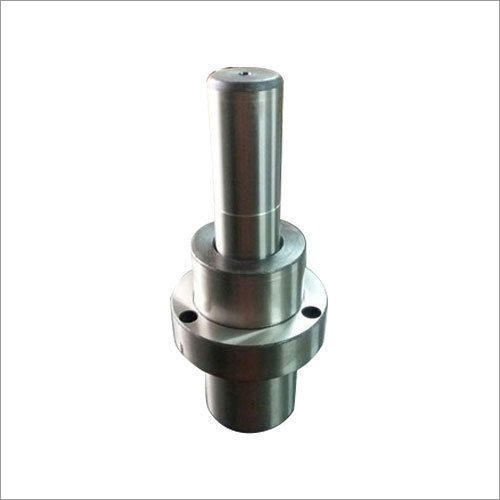
Mould Guide Pillar Bush
Mould Guide Pillar Bush Specification
- Type
- Guide Pillar Bush
- Material
- High Carbon Alloy Steel
- Load Capacity
- High
- Speed
- Up to 50 m/min
- Temperature
- -10C to +200C
- Hardness
- 58-62 HRC
- Tolerance
- 0.005 mm
- Finish
- Precision Ground
- Lubricating
- Oil Grooved
- Shape
- Cylindrical with flanged or non-flanged design
- Surface Treatment
- Case Hardened, Anti-rust Coated
- Installation
- Press Fit or Slip Fit
- Concentricity
- 0.01 mm
- Application
- Plastic Injection, Die Casting and Press Tool Moulds
- Length
- 30 mm 250 mm
- Diameter Range
- 10 mm 50 mm
- Interchangeability
- Yes
About Mould Guide Pillar Bush
Our years of experience in this sector, and valuable assistance of our accomplished professionals have enabled us to design, fabricate, and supply the best-in-quality Mould Guide Pillar Bush. In a large number of industries, it is used in various applications due to its strong construction, excellent tensile strength, rust proof finish and durability. To ensure its ideal diameter, and perfect size, it is thoroughly checked by ingenious quality controllers with developed checking tools, and equipment. Besides, Mould Guide Pillar Bush can be bought various sizes at economical prices.
Product Details:
| Brand | dhamija tool |
| Usage/Application | Industrial |
| Size/Diameter | 14-50 mm |
| Packaging Type | box,self |
| Material | en353,en -31 |
| Inner Diameter | 8-50 mm |
| Outer Diameter | 16-80 mm |
| Length | 30-600 |
| Country of Origin | Made in India |
Engineered for High Precision and Endurance
Each Mould Guide Pillar Bush features precision-ground surfaces and strict tolerance (0.005 mm), ensuring accurate alignment and extended service life under demanding industrial conditions. They are ideal for high-periodicity operations in various moulding applications, maintaining efficiency and consistency.
Versatile Applications Across Industries
Designed for plastic injection, die casting, and press tool moulds, these guide bushes are widely used by manufacturers throughout India. Their robust construction supports high speeds and heavy loads, making them suitable for both automated and manual production environments.
Simplified Installation and Maintenance
Choose between press fit or slip fit installation options, providing flexibility to suit different assembly lines. The anti-rust surface treatment, combined with oil-grooved lubrication, ensures smooth operation and reduces downtimes related to maintenance or wear.
FAQs of Mould Guide Pillar Bush:
Q: How should the Mould Guide Pillar Bush be installed in mould assemblies?
A: The guide pillar bush can be installed using either a press fit or slip fit method, depending on the specific requirements of your application. Ensure precise alignment and proper lubrication during installation to maintain concentricity and maximize operational lifespan.Q: What is the advantage of using a case hardened, anti-rust coated bush in moulds?
A: Case hardening and anti-rust coating significantly increase the bushs durability and resistance to surface wear or corrosion. This ensures reliable performance in harsh manufacturing conditions and reduces the need for frequent replacements.Q: When should I choose a flanged design over a non-flanged guide bush?
A: Flanged guide bushes offer additional stability during operation and help with accurate positioning, making them suitable for situations where extra support is required. Non-flanged designs are ideal for applications with limited space or when a compact setup is needed.Q: Where are these mould guide pillar bushes typically used?
A: They are commonly utilized in plastic injection moulds, die casting moulds, and press tooling applications across automotive, electronics, packaging, and industrial manufacturing sectors within India.Q: What is the process for maintaining and lubricating the guide pillar bush?
A: Regularly inspect the bush for signs of wear or debris. The oil-grooved interior allows for efficient lubrication; use appropriate machine oil to ensure smooth and quiet operation, extending the service life of both the bush and the mating components.Q: How does interchangeability benefit production lines?
A: Interchangeable guide pillar bushes reduce downtime by allowing quick replacements without the need for custom fitting or adjustments, ensuring sustained productivity and operational efficiency in tool maintenance.Q: What are the key performance benefits of high carbon alloy steel and precision ground finish?
A: High carbon alloy steel provides superior strength and load capacity, while the precision ground finish ensures low friction and optimal guidance, facilitating high-speed and high-accuracy movement in mould assemblies.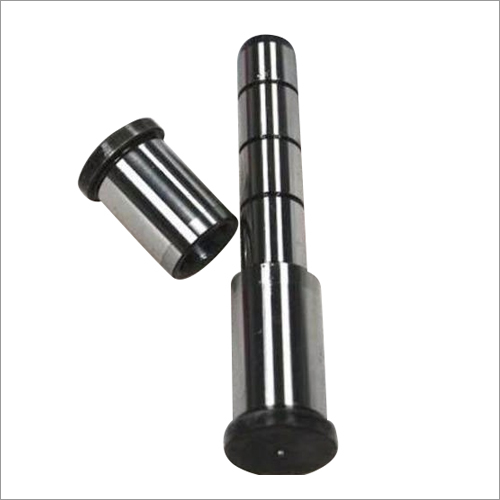
Tell us about your requirement

Price:
Quantity
Select Unit
- 50
- 100
- 200
- 250
- 500
- 1000+
Additional detail
Mobile number
Email

More Products in Industrial Bush Category
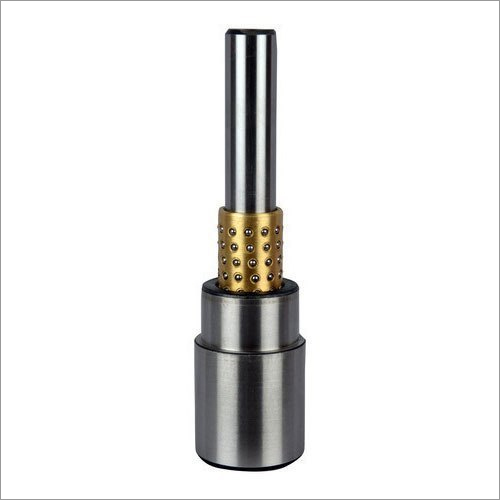
Injection Mould Guide Pillar Bush
Price 1200 INR / Set
Minimum Order Quantity : 1 Set
Type : Pillar Bush, Other
Material : alloy steel
Usage : Industrial
Size : 1680 mm
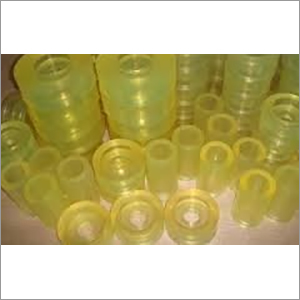
Polyurethane Bush
Price 90 INR / Piece
Minimum Order Quantity : 100 Pieces
Type : Other, Bush
Material : Polyurethane
Usage : Industrial
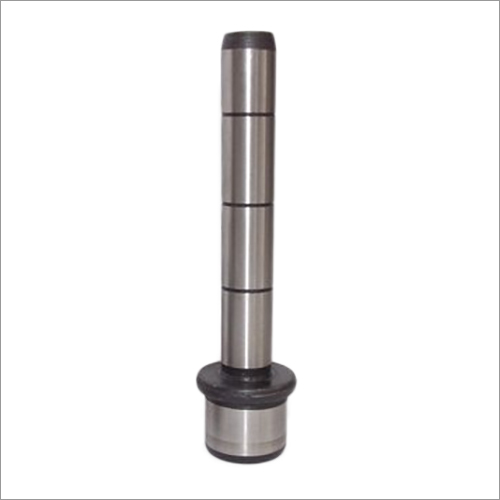
Pillar Bush
Price 500 INR / Set
Minimum Order Quantity : 1 Set
Type : Other, Pillar Bush
Material : SS
Usage : Industrial
Bolting Pillar Bush
Price 2000 INR / Piece
Minimum Order Quantity : 1 Piece
Type : Bolting Piller Bush, Other
Material : SS
Usage : Industrial
Size : 1 inch

 Send Inquiry
Our Products


B No. - 2393, Street No. - 17, Dashmesh Nagar, Gill Road, Ludhiana - 141003, Punjab, India

Mr Kunal Dhamija
(Proprietor)
Mobile :08071630624
 Send Inquiry
 Send SMS
 Call Me Free
Developed and Managed by Infocom Network Private Limited.
 English
 Spanish
 French
 German
 Italian
 Chinese (Simplified)
 Japanese
 Korean
 Arabic
 Portuguese